Baraka Bible School
Baraka Bible School brought Swahili-speaking Christadelphians together across North America for study, fellowship, children’s classes, and a shared celebration of faith.
 Read Time: 7 minutes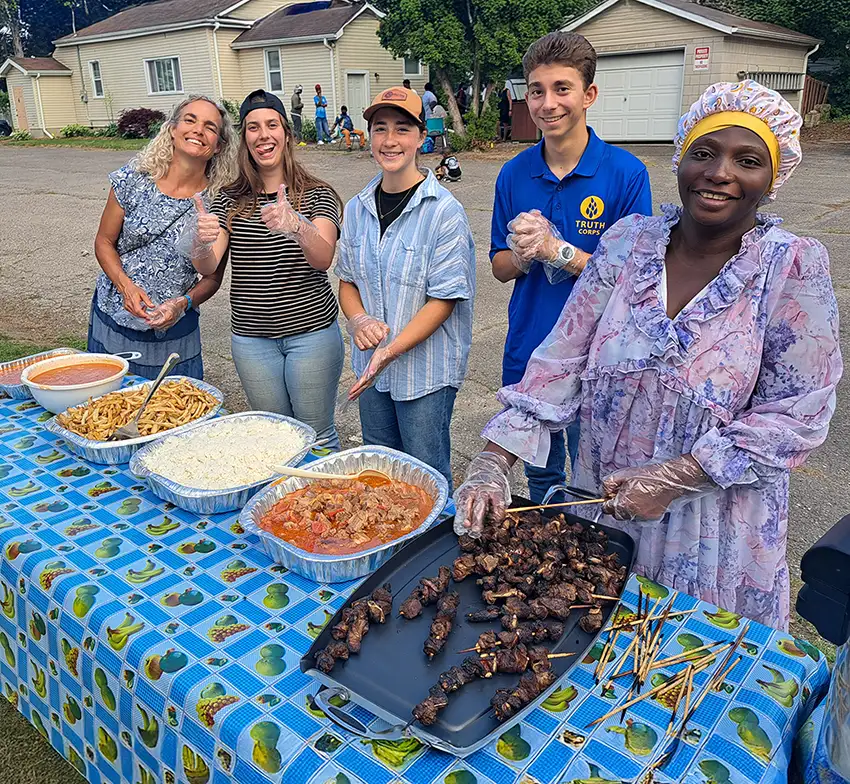
It might seem ironic to run an article about a new Bible School under a “Stuff That Works” column, considering that it has only worked once. However, because we published an article in March about the upcoming school, and because this is a clear example of noticing a need and bringing a lot of people together to make something beautiful happen, I think we can recognize that it really did “work.” And it did so in an impressively quick way. Examples of coming together and working toward a common goal are always helpful for us all.
Jason Hensley
The week at Baraka Bible School was one to remember, even though the first few days were intense! This is the first time a Bible School like Baraka has ever been organized in North America. It was designed to give Swahili-speaking Christadelphians in the US and Canada a chance to reconnect with other brothers and sisters who had fled the civil war in the Democratic Republic of the Congo and spent years in refugee camps before immigrating to the US and Canada. As an immigrant myself, I know there aren’t always places near ecclesias to relocate to. My family and I were really blessed to be near an ecclesia. One of the things we struggle with is integrating into an ecclesia that doesn’t speak our language. As for my siblings and me, we adapted easily and became familiar with Western culture, learning the language by going to school and getting involved. But we can’t say the same for our parents and grandparents, as it has been a challenge for them to become familiar with the Western world. I’m sure we are not alone in these feelings, and that’s why Baraka meant so much to many brothers, sisters, and young people.
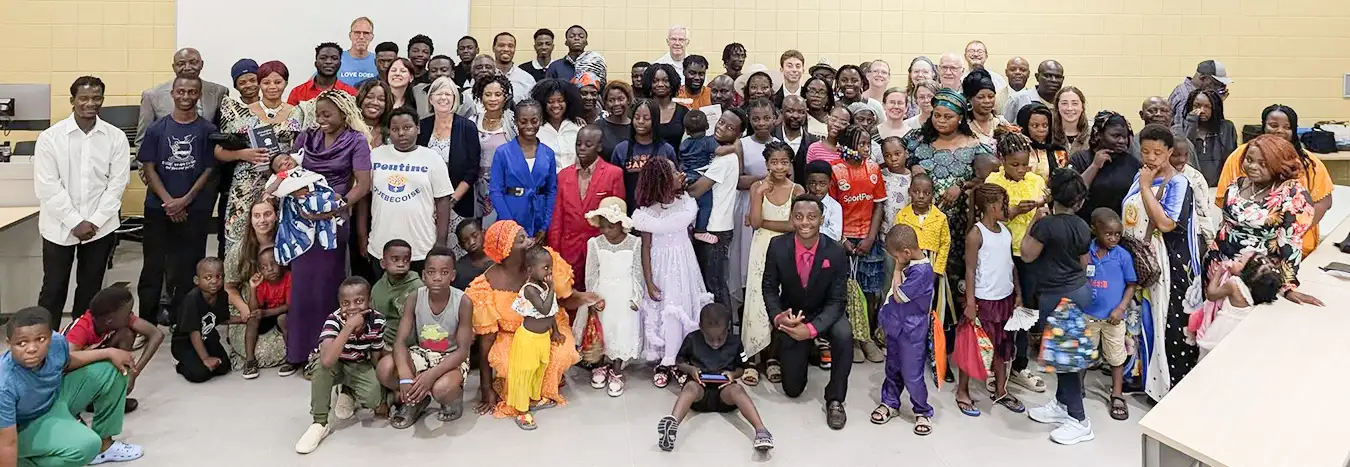
There were lots of attendees, about 120 total. Interested friends from the local area, family members, and brothers and sisters came from as far as Newfoundland, Montreal, Kansas City, and Baltimore to meet for Swahili classes. Along with all the families, came lots of young kids and teens. The Truth Corps volunteers took charge of kids’ classes, which they taught in English for two to three sessions per day, requiring a lot of energy, and ran outdoor activities in the afternoon. The classes focused on the promises about Christ and his Kingdom throughout the Bible. A drama performance led by Sister Martha and Brother Chris Sales was prepared and practiced by the kids, which was to be shared on Wednesday for praise night.
Brother Chris led classes on God’s amazing promises for the teens, and Brother Dale Andrews taught his class on Ephesians for the teens. The adult classes were held at Fanshawe College, where we had our rooms, and were taught by the guest speakers Brother Innocent Baruani and Brother Benoit Mukendi. Thankfully, the distance between the main hall and the rooms was short enough for most attendees to walk.
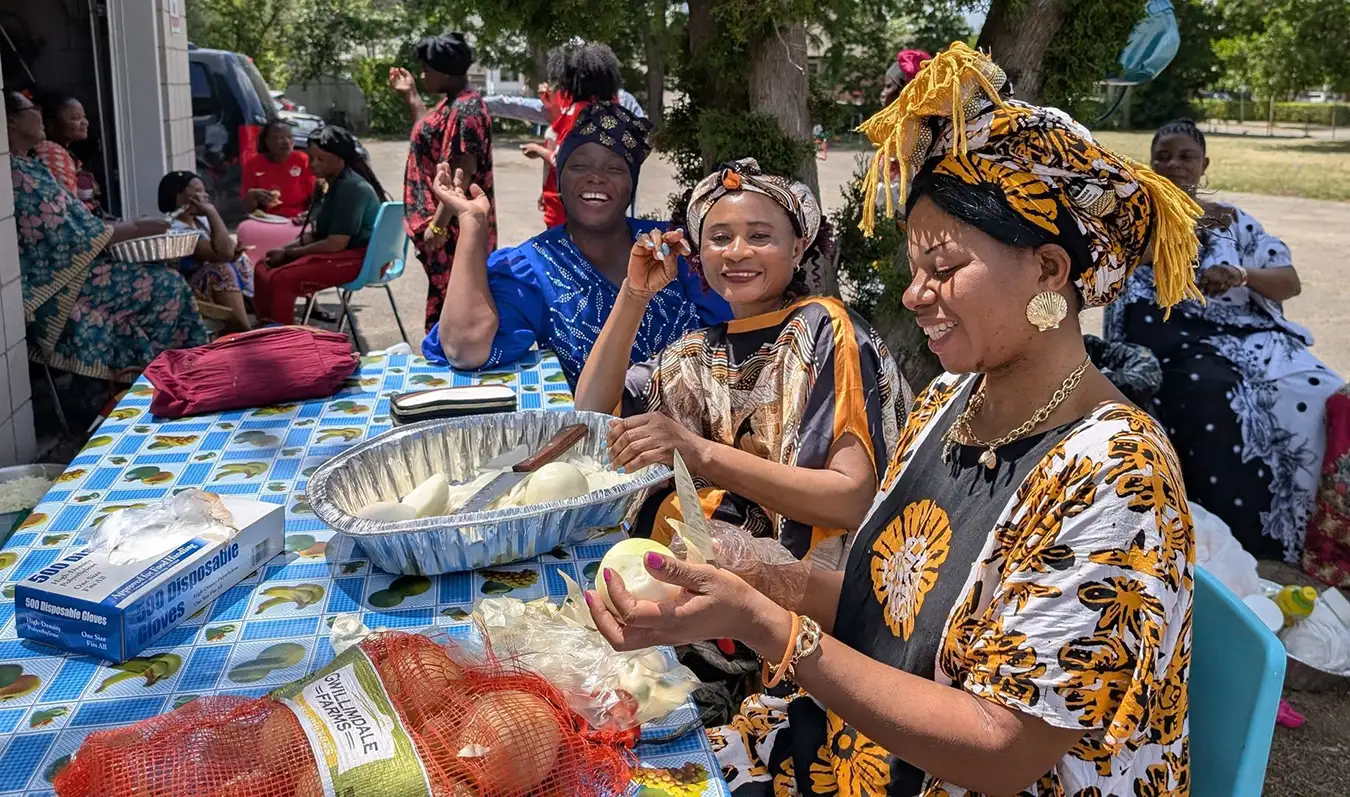
I was on the committee and helped manage meal planning and preparation along with other sisters who volunteered. We got to cook and enjoyed five evenings of a veritable feast of traditional Congolese foods, such as ugali with saka-saka (sombe, or pounded cassava leaves), fried fish, goat and chicken meat, pork ribs, and African doughnuts (mandazi, very different from standard American doughnuts). All these took up to three to four hours every evening, during free time. Since most meals were served at the London hall, where kids’ and teen classes were held, there was a lot of back-and-forth, which required many drivers to bring parents and the meals that were being cooked at Fanshawe to the hall to serve to everyone.
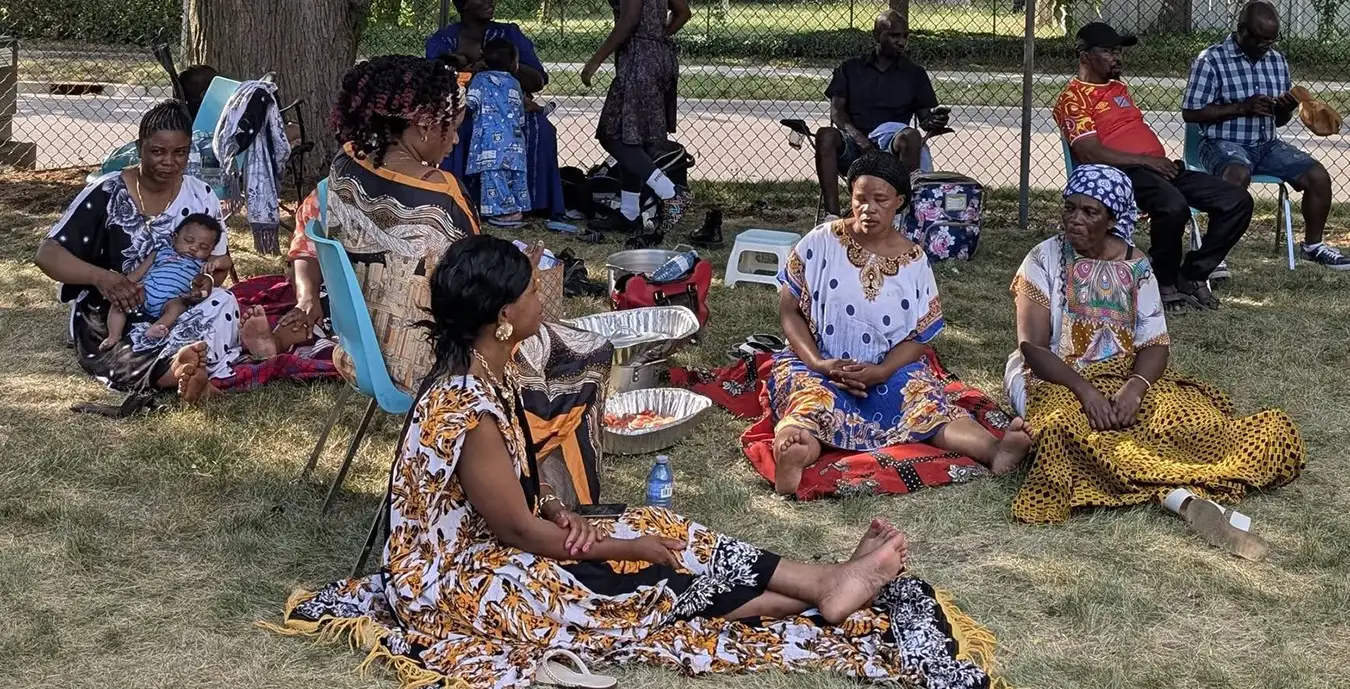
It’s always an incredible experience to be able to use our bilingual skills, the other young people and me, to be the bridging link for the parents by helping translate during the memorial service or just in everyday life. Baraka served as a break for us, as it allowed our parents to share and express their faith on their own without needing any language translation. They were able to ask questions during classes, which led to some amazing Biblical discussions on the Truth. There were up to four languages being spoken throughout the whole week: Swahili (the common one), Kibembe (the native one, spoken by all the parents), French (spoken by our Québécois), and English. I enjoyed getting to know the children throughout the week, making myself available to attend the teen classes and help out with the kids’ classes if need be. It was incredible to see everyone come together as believers in the same hope of Christ’s return we share. People were making connections that were once lost—they were reunited as a family in Christ.
Being able to praise just as we used to in Africa really brought us closer to God’s Word. We sang songs of our faith in both English and Swahili, and we all felt the unity of our brotherhood, despite differences in language and culture. Four sisters, the mothers and grandparents of many of the students, sang “Seek ye first the Kingdom of God” and “Sing Hosanna” in Swahili, which others could sing along in English and Swahili.
Some of the really enjoyable performances were by the children’s theatrical performance, which was a big hit. One skit outlined the promises to Abraham, as explained by the resurrected Abraham at the time when he finally received the land. In another, the older teens presented a drama that they scripted and rehearsed during their free time, based on the Lord’s Supper. Some of the younger kids put on an art show (peace around the world) that they presented to everyone; we even had a few Biblical jokes performed as well.
We also had performances of original worship music by Brother Pelo Mulumba, which had a few of us in tears as he expressed his faith out loud in songs we could all relate to. He organized the Wednesday praise evening as he worked with the young teen boys to practice their dances and with the teen girls to practice some songs which they performed, such as “Yesu ni wangu, wauzima wamilele,” translating to “Jesus is mine for eternity” and “Kwake Yesu nasimama,” meaning “On Christ the Rock I will stand” and the Truth Corps helped sing with them, plus one Zulu song the Truth Corps team sang on their own: “Siyahamba,” translating to “We are marching in the light of God.” This music made every evening just so special.
One lesson that stood out to me throughout the week was how isolating it can feel when you cannot easily communicate with the people around you. At Baraka, I experienced the blessing of being understood. It reminded me of the unity we look forward to in God’s Kingdom, where all people will worship Him together. We will have one language that reflects our one faith and one hope. In the meantime, it was wonderful teaching the Truth Corps team Swahili. We even created a group chat where they could continue practicing common phrases, and it was exciting to watch them immediately use what they had learned to hold conversations with the children and parents. Those simple conversations meant so much because they allowed people to hear God’s family speaking in a language that felt familiar and comforting.
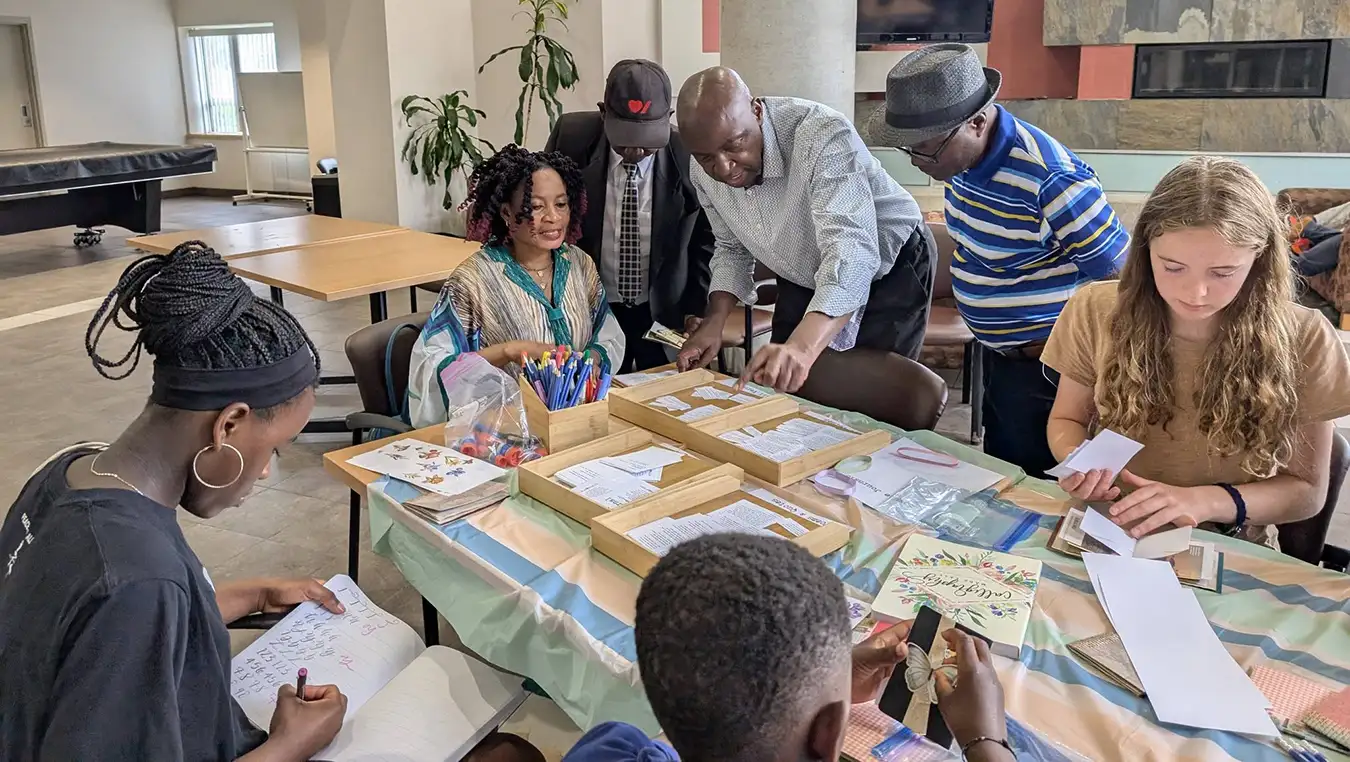
This helped the children build trusting relationships with their teachers, giving them the confidence to ask challenging Bible questions about topics such as whether God’s Kingdom will be established on earth or in heaven, and who the Devil or Satan really is according to Scripture. These discussions gave the teaching team the opportunity to answer using Bible references and the first principles of the gospel, encouraging the children to search the Scriptures for themselves. For many of the children, these lessons were especially significant because they came from Pentecostal families, where they had been taught different beliefs. Throughout the week, they were introduced to what the Bible says on these subjects, often discovering perspectives they had never considered before.
We concluded the week on Thursday evening with a beautiful “Kingdom by Candlelight” event prepared by the Brant County Ecclesia. Brothers and sisters gathered together in both Swahili and English to reflect on what the Kingdom might be like and how each of us can prepare ourselves for it. The basement of the London Hall had been transformed into a space with thoughtful decorations, discussion stations, crafts for the children, picture-taking areas, fruit platters, and beautifully decorated crown-and-jewel-shaped cookies. Ending the week by focusing on our future hope was the perfect conclusion to an unforgettable Bible School.
My experience with Baraka Bible School was equally life-changing. This week strengthened my faith in God, taught me new ways to express and share my beliefs, and deepened my understanding of what it means to go into the world and preach the Good News, as Jesus commands in the Gospel of Mark. Throughout the week, I learned practical ways to begin conversations about the Bible by finding common ground with others and allowing them to guide the discussion. Those approaches led to more genuine and meaningful conversations than I had expected. This experience also changed how I think about people who understand Scripture differently than I do. Rather than seeing those differences as obstacles, I now see them as opportunities to listen carefully, learn from others, and share God’s Word with compassion and understanding. Baraka has inspired all of us to study the Bible more deeply so that we come to understand it and can explain its teachings more clearly whenever God opens the door to those conversations.
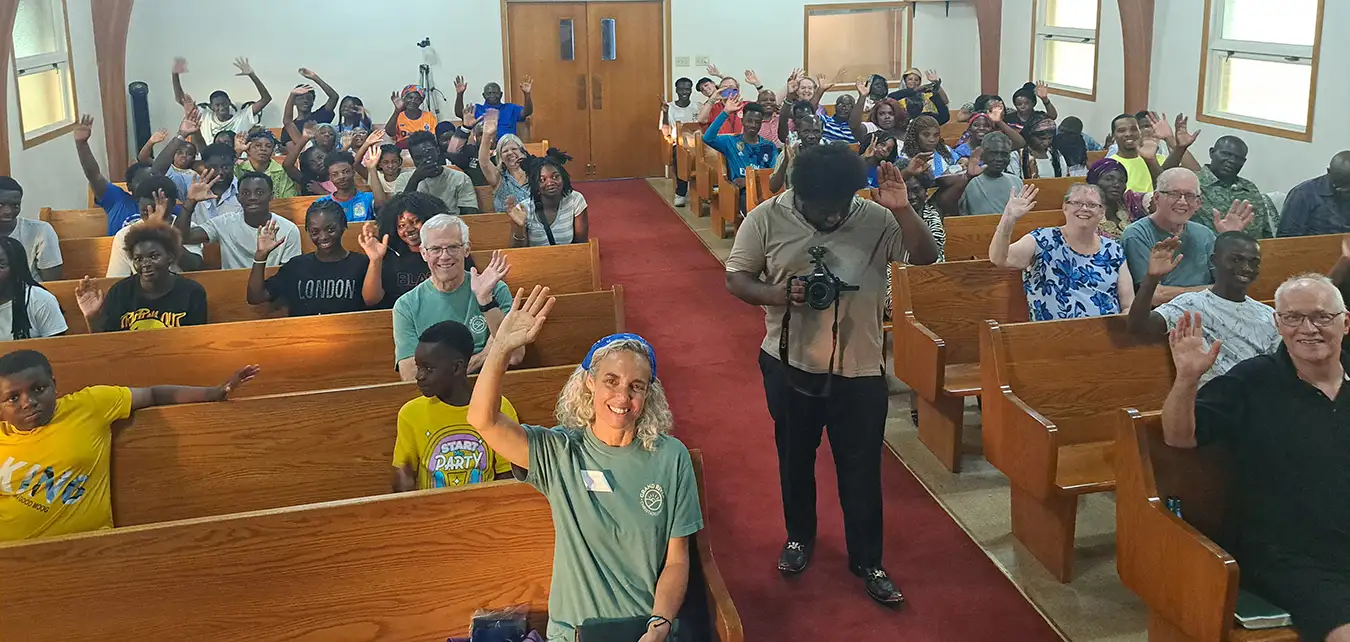
Beyond strengthening our faith, Baraka helped us grow personally. We learned the importance of teamwork, stepped outside our comfort zone, and built friendships with people we never met before, but share so much culture and tradition with. What began as a thought of uncertainty quickly became a family, reminding us that even when far from home, we can always find belonging among brothers and sisters who share the same hope in Israel.
Looking back, Baraka Bible School was much more than a week of classes and activities. It was a week of reconnection, service, worship, and encouragement. It reminded me that although we come from different countries, cultures, and languages, we are united through our faith in Jesus Christ and our shared hope of God’s coming Kingdom. That is the Baraka I will carry with me long after the week has ended.
Sela Msafiri
London Ecclesia, ON